
Digital Catalog Maker » The Features And Benefits

Updated on: 10.08.2026
A digital catalog maker turns any PDF into a visually engaging, interactive online publication — no coding required. Whether you want to showcase products, share brochures, or distribute newsletters, this technology gives your content a polished, magazine-like feel while cutting print and distribution costs significantly.
What Is a Digital Catalog Maker and How Does It Work?
Digital catalog software has been around for roughly a decade, but early versions were clunky and offered little insight into reader behavior. Today, thanks to HTML5, modern CSS, and improved JavaScript frameworks, the technology has matured into a genuinely user-friendly tool that any marketer or small business owner can adopt without technical expertise.
The workflow is straightforward: create your content in a tool you already know — Word, InDesign, Photoshop — export it as a PDF, and upload that file to your chosen platform. Within a few steps, you have a fully interactive digital publication that replicates the look and feel of a glossy print magazine. If you are evaluating your options, a good starting point is comparing catalog maker software to understand which features matter most for your use case.
The range of document types you can publish is broad. A digital catalog maker handles all of the following equally well:
Product catalogs
Brochures and leaflets
Newsletters
White papers and eBooks
Presentations
Calendars
User manuals
That versatility makes digital catalog software a genuinely flexible addition to any content marketing strategy — not just a one-trick tool for e-commerce teams.
Key Features of Digital Catalog Software
Digital catalogs go well beyond a static PDF viewer. They combine the familiar format of a print publication with interactive capabilities that were simply not possible in print. Here is a closer look at the features that matter most.
Multimedia Integration
The digital space has made it affordable for companies to enrich their publications with a wider variety of media. Modern catalog maker software is compatible with video files, audio tracks, animated graphics, and podcasts — all of which can be embedded directly into the publication. A product page that would have been a flat photograph in print can now include a short demo video or a 360-degree view, giving readers far more context before they decide to buy.
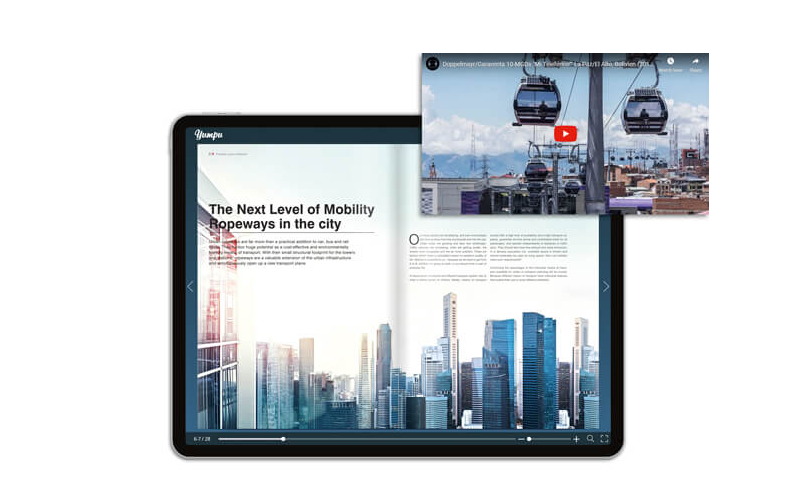
Interactive Animation and Page-Turning Experience
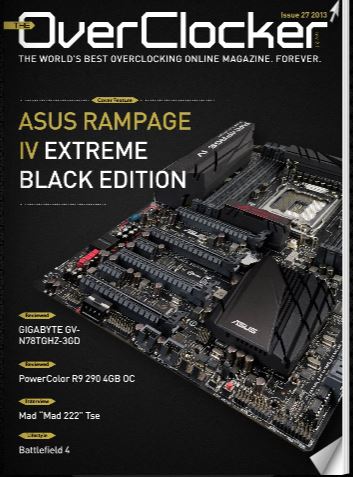
HTML5 enables content creators to add animated elements that make publications feel dynamic rather than static. The page-turning effect — the hallmark of a flipbook — gives readers an intuitive, tactile experience even on a screen. Beyond aesthetics, interactive elements such as hotspot links, pop-up product information, and embedded forms actively guide readers toward the next step in their journey. For a deeper look at how animation elevates the format, see this overview of flipbook animation techniques.
Cost Savings and Revenue Opportunities
Traditional print production comes with significant fixed costs: design, print runs, physical distribution, and storage. Digital catalog software eliminates most of these. You create one master publication and distribute an unlimited number of copies at no additional cost — there is no minimum print run and no postage bill.
Updates are just as painless. Instead of reprinting an entire catalog because a price changed, you simply update the file and republish. Readers always see the current version. Beyond savings, digital catalogs also open a new revenue stream: you can reserve advertising space within the publication and charge third-party advertisers for placement.
Embedding your catalog directly on your website, sharing it via social media, or adding a link in your email footer are all zero-cost distribution channels that consistently extend your reach without additional effort.
Analytics and Performance Data
One of the most significant advantages of a modern digital catalog over its print counterpart is measurability. Platforms like ad-free digital catalog publishing on YUMPU can be integrated with Google Analytics or Bing Analytics, giving you granular data on reader behavior: which pages get the most attention, where readers drop off, and which embedded links generate clicks. This data feeds directly back into your content marketing strategy, helping you produce better-performing publications over time.
If you are ready to experience this yourself, you can start publishing for free on YUMPU and convert your first PDF into an interactive online catalog within minutes.
Why Digital Catalogs Belong in Your Content Marketing Strategy
An interactive online catalog is not just a digital copy of a printed document — it is a content marketing asset in its own right. Search engines can index the text within your publication, which means your catalog can appear in organic search results and drive traffic without paid advertising. Combined with social sharing features, a single well-designed catalog can reach audiences far beyond your existing contact list.
For small and medium-sized businesses in particular, the equation is compelling: lower production costs, broader distribution, real-time analytics, and the ability to update content instantly without reprinting. Early adopters of this technology are already using it to corner niches before their competitors recognize the opportunity.
FAQ: Digital Catalog Maker
What is a digital catalog maker?
A digital catalog maker is software that converts PDF files into interactive online publications — often called flipbooks or digital catalogs — that replicate the look of a print magazine while adding multimedia and interactive features.
Do I need design or coding skills to create a digital catalog?
No. Most digital catalog platforms, including YUMPU, are designed so that anyone familiar with creating a PDF can publish a digital catalog. You design your content in tools like Word, InDesign, or Photoshop, export to PDF, and upload.
What types of documents can I publish with catalog maker software?
Virtually any print or digital document works: product catalogs, brochures, newsletters, white papers, eBooks, presentations, user manuals, calendars, and leaflets are all supported formats.
How does a digital catalog differ from a simple PDF?
A digital catalog adds page-turning animation, embedded multimedia (video, audio), interactive hotspot links, and sharing capabilities. It is also indexable by search engines, making it far more discoverable than a static PDF hosted on a server.
Can I embed my digital catalog on my website?
Yes. Most digital catalog software generates an embed code that lets you display the full interactive publication directly on any webpage, improving the user experience without requiring visitors to download a file.
How can I distribute a digital catalog?
You can share it via a direct link, embed it on your website, post it on social media, or include the link in your email footer. All of these channels cost nothing beyond the initial creation of the catalog.
Is a digital catalog better for SEO than a PDF?
Generally, yes. When hosted on a platform that exposes the text content to search engine crawlers, a digital catalog can rank in organic search results. This gives your publication ongoing visibility without additional advertising spend.
Can I track how readers interact with my digital catalog?
Yes. Modern catalog platforms can be integrated with Google Analytics or Bing Analytics, providing data on page views, time spent on each page, click-through rates on embedded links, and overall reader engagement.
What does it cost to publish a digital catalog?
Many platforms offer a free tier with basic features. Paid plans typically unlock ad-free publishing, advanced analytics, custom branding, and higher-resolution output. Compared to print production costs, digital publishing is significantly more affordable at any tier.
How often can I update my digital catalog?
As often as you like. You simply upload a revised PDF and republish. There is no reprint cost and readers always access the most current version via the same link or embed.
Submit a Comment
Your email address will not be published. Required fields are marked *
Your comment was sent successfully.
Your comment could not be sent.
About me

Hi everybody,
my name is Jason, I’m a part-time chef and full-time digital marketing guru, I know pay-per-click advertising like the back of my hand. I’m also passionate about skateboarding.