
Digital Catalog Software » Yes or No? [Pros & Cons]
![Digital Catalog Software » Yes or No? [Pros & Cons]](https://ooomacros.org/assets/images/f/163378/82cd840e23/digital-catalog-software.jpg)
Updated on: 10.08.2026
Digital catalog software has come a long way — and if you haven't explored what today's tools can do, you're likely leaving real marketing potential on the table. This guide breaks down the pros and cons of interactive digital catalogs, explains what to look for in a platform, and shows you exactly how to get started without any technical background.
From Print to Pixel: The Evolution of Digital Publications
Not long ago, creating a digital catalog meant either hiring a specialist or wrestling with clunky software that produced barely functional PDF-lookalikes. That's no longer the case. HTML5 and modern flipbook technology have fundamentally changed what's possible — giving publishers animated page turns, embedded multimedia, responsive layouts, and full Google indexability, all wrapped in tools that anyone can actually use.
For marketers and small business owners, this shift is significant. An interactive product catalog isn't just a nicer version of a printed brochure — it's a content asset that can be embedded on your website, shared on social media, linked in email footers, and discovered organically through search engines. The days of printing thousands of catalogs, shipping them out, and hoping they reach the right people are fading fast.
Thanks to how digitalization is transforming business content, the opportunity to replace expensive print runs with always-up-to-date digital publications has never been more accessible — or more cost-effective. You can update a digital catalog in minutes; reprinting 5,000 brochures takes weeks and a significant budget.
What Exactly Is a Digital Catalog?
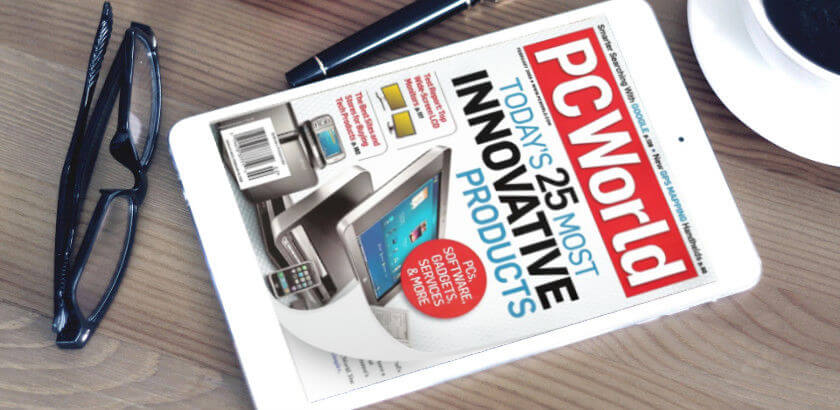
A digital catalog — sometimes called an eCatalog, online catalog, or flipbook — is a virtual publication that replicates the look and feel of a printed catalog but lives entirely online. It can showcase products, services, portfolios, price lists, or virtually any document you'd otherwise hand someone in print format.
Beyond simple visuals, a digital catalog can include clickable links, embedded video, audio clips, "add to cart" buttons for ecommerce catalog integration, and interactive navigation. It's viewable on desktop, tablet, and mobile — and when built with the right platform, it's fully indexed by search engines, meaning your catalog content can actually rank on Google.
The term eCatalogue is simply an alternative spelling — it refers to the same thing. Whether you call it a digital catalog, online catalog, or product flipbook, the underlying technology and benefits are identical.
The Advantages of Digital Catalog Software
Stunning Visuals That Compete with Print
The first thing people notice about a well-made digital flipbook is how good it looks. Modern catalog software renders high-resolution images, smooth page-turn animations, and glossy layouts that rival — and often surpass — traditional print magazines. For marketers, this matters: visually rich content consistently earns more engagement and shares than plain text or static PDFs.
Flexible Enough for Any Business
Whether you're creating a product brochure, a seasonal lookbook, a white paper, or a user manual, digital catalog software handles it all. You can embed rich media alongside your text, add links directly to your sales platform, and even integrate with ecommerce systems like Shopify, WooCommerce, or BigCommerce. Some platforms let you add "add to cart" buttons directly inside the catalog, turning browsing into buying without the customer ever leaving the publication.
Social Media Reach at the Click of a Button
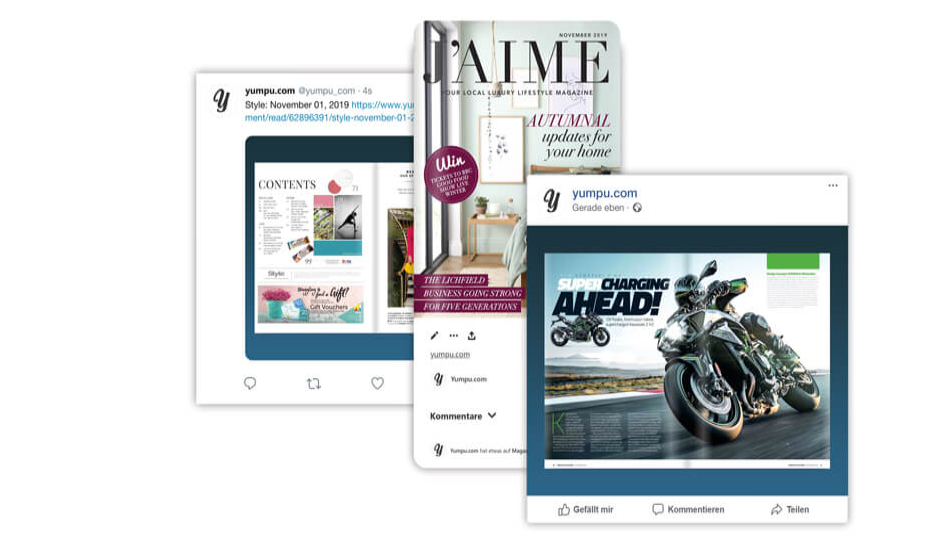
Every major digital catalog platform comes with built-in social sharing. Once your catalog is live, you can post it directly to Facebook, LinkedIn, Twitter, or wherever your audience lives — no extra tools required. Visual content like flipbooks consistently outperforms plain links or text posts in terms of shares and engagement, giving your catalog a distribution advantage that no printed version could ever match.
Real Cost Savings Over Print
High-quality print runs are expensive. Design, print, distribution — it adds up fast, and every update means starting the cost cycle over. With digital catalog software, you pay a modest monthly subscription (or use a free tier) and produce unlimited publications. For a monthly fee of around $0–10, the savings compared to regular print runs are substantial. And unlike a printed brochure that goes stale, a digital catalog can be updated instantly — your audience always sees the latest version.
There's also a competitive timing advantage: businesses that adopt digital publishing early capture their audience's attention before competitors catch up. That head start compounds over time in terms of SEO visibility and brand familiarity.
For a deeper look at available tools, the catalog maker software comparison covers a range of platforms side by side so you can evaluate features and pricing before committing.
The Disadvantages Worth Knowing About
Mobile User Experience Can Be Imperfect
Most digital catalog platforms are responsive, but "responsive" doesn't always mean "perfectly readable on a 5-inch screen." Small text, the need to zoom in on product images, and scroll-heavy navigation on mobile can frustrate users who are used to native app experiences. The best platforms mitigate this with zoom controls and optimized mobile views, but it's worth testing how your catalog renders on a phone before publishing widely.
Analytics Have Limits
Content marketers live by data — and this is one area where some catalog platforms fall short. While many allow Google Analytics integration, the depth of data available can be limited. You may know how many people opened your catalog and roughly how long they spent in it, but tracking which specific pages held attention longest, or where readers dropped off, isn't always possible with free plans. If detailed content performance data is critical to your strategy, verify what analytics a platform offers before choosing it.
The Best Digital Catalog Software: Why YUMPU Publishing Stands Out
After testing multiple platforms — including some well-known names that looked great on paper but disappointed in practice — the one that genuinely delivered was YUMPU Publishing. It's simple from the first minute, doesn't require any design or technical skills, and produces polished, fully functional digital catalogs fast.
The workflow is about as straightforward as it gets: drag your PDF into the upload area, wait a couple of minutes for the conversion, and your interactive flipbook catalog is ready to share, embed, or enhance. No long downloads, no complex onboarding.
Once your catalog is live, YUMPU hosts it in the cloud and gives you options to embed it on your website (with multiple embed styles, from bookshelf to magazine cover), share it on social media, add audio or video, implement per-page SEO, and link directly to your store. If you want ad-free digital catalog publishing with your own branding, that's available on paid plans starting at around $10/month — which also unlocks Google Analytics integration, enhanced privacy settings, and more.
The free version alone covers everything most users need to get started. A legitimate, zero-cost page turning PDF catalog creator that doesn't lock the core features behind a paywall is genuinely rare.
How to Get Started with YUMPU Publishing in 3 Steps
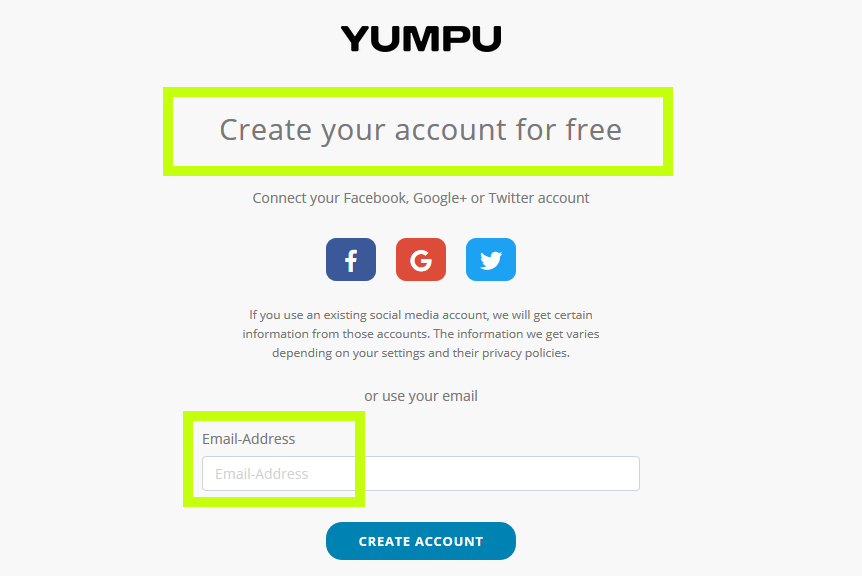
Step 1: Create your free account. Head to YUMPU Publishing and sign up — the registration takes under a minute. No credit card required for the free tier.
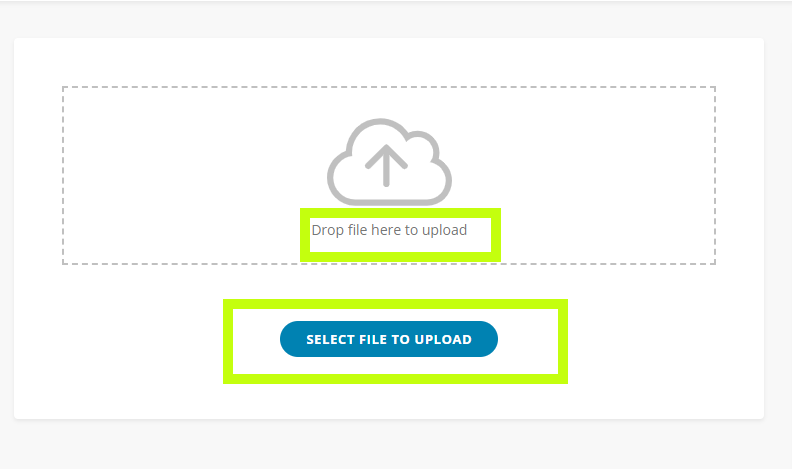
Step 2: Upload your PDF. Use the drag-and-drop upload or the file browser. Your PDF is the source material — YUMPU handles the conversion automatically.
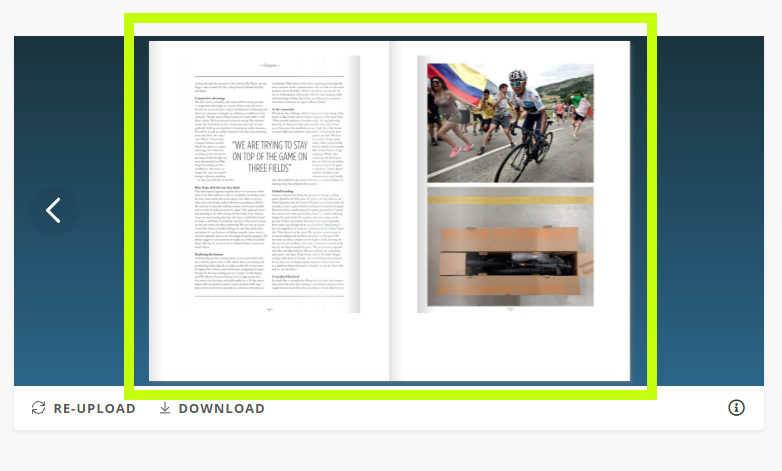
Step 3: Wait 1–2 minutes. That's genuinely all it takes. Your interactive online catalog is ready to embed, share, or customize.
If you want to explore what's possible before committing, try Yumpu for free and convert your first PDF in minutes — no technical setup required.
After your catalog is live, you can embed it in your website or online shop, post it to social media, add video and audio, set up per-page SEO, or use the WordPress plugin for seamless site integration. If you upgrade to a paid plan, you also gain password protection, secured sharing links, scheduling options, and branding management tools. But if the free version meets your needs, there's never any obligation to pay.
Digital Catalog Software Can Transform Your Business
The ability to take a PDF — something most businesses already have — and turn it into a fully interactive, Google-indexed, socially shareable online catalog in under five minutes is genuinely transformative. It eliminates print costs, extends your content's reach, and gives customers a browsing experience that feels modern and engaging.
Other platforms like Issuu have their place, and the market for catalog creator online tools is broader than it's ever been. But YUMPU Publishing consistently delivers more functionality at a lower cost, especially on the free tier. If you're looking for digital catalog software that actually does what it promises — and doesn't require a specialist to operate — it's the most logical place to start.
FAQ: Digital Catalog Software
What is digital catalog software?
Digital catalog software is a tool that converts PDF files into interactive online catalogs — also called flipbooks or eCatalogs. These publications can be embedded on websites, shared on social media, and viewed on any device, with features like clickable links, embedded video, and page-turn animations.
Do I need design or technical skills to create a digital catalog?
No. Most modern digital catalog platforms, including YUMPU Publishing, require nothing beyond a PDF file. You upload the PDF, the software handles the conversion, and your catalog is ready in minutes. No coding, no design tools needed.
What's the difference between a digital catalog and an eCatalogue?
They're the same thing — different spellings of the same concept. An eCatalogue is simply a digital catalog, accessible online, typically created from a PDF and enhanced with interactive features.
Can I use digital catalog software for free?
Yes. Several platforms, including YUMPU Publishing, offer fully functional free plans. The free tier typically covers PDF conversion, hosting, embedding, and social sharing. Paid plans add features like ad-free publishing, Google Analytics, password protection, and advanced branding options.
How does a digital catalog help with SEO?
When your catalog is hosted on a platform that supports per-page SEO and makes content indexable, each page of your catalog can appear in Google search results. This means product descriptions, headings, and keywords inside your catalog can drive organic traffic — something a printed brochure obviously can't do.
Can I embed a digital catalog on my website?
Yes. Most digital catalog platforms provide an embed code that you can paste directly into your website or online shop. YUMPU Publishing offers multiple embed styles, including bookshelf and magazine cover formats, and also provides a WordPress plugin for easier integration.
Is digital catalog software compatible with ecommerce platforms?
Many platforms support integration with ecommerce systems like Shopify, WooCommerce, and BigCommerce. Some also allow you to add "add to cart" buttons directly inside the catalog, letting customers shop without leaving the publication.
What are the main disadvantages of digital catalogs?
The two most common drawbacks are mobile readability (small text and zoom-dependent navigation on phones) and limited analytics depth on free plans. Both can be mitigated by choosing a platform with good mobile optimization and, if analytics are critical, investing in a paid plan that includes Google Analytics integration.
How often can I update a digital catalog?
As often as you need to. Unlike printed catalogs that require a new print run for every change, digital catalogs can be updated by re-uploading a new PDF. Your audience always sees the current version without any additional production or distribution costs.
How do I share a digital catalog on social media?
Most platforms include built-in social sharing buttons. Once your catalog is published, you can post it directly to Facebook, LinkedIn, Twitter, and other networks with a single click. Visual flipbook content typically earns significantly more engagement than plain text links or static image posts.
Submit a Comment
Your email address will not be published. Required fields are marked *
Your comment was sent successfully.
Your comment could not be sent.
About me

Hi everybody,
my name is Jason, I’m a part-time chef and full-time digital marketing guru, I know pay-per-click advertising like the back of my hand. I’m also passionate about skateboarding.